
Field Notes: Baking With Okara Flour
We dried and milled okara into a coarse flour and spent three weeks testing it against wheat flour in six different bakes. Two worked. Four did not.
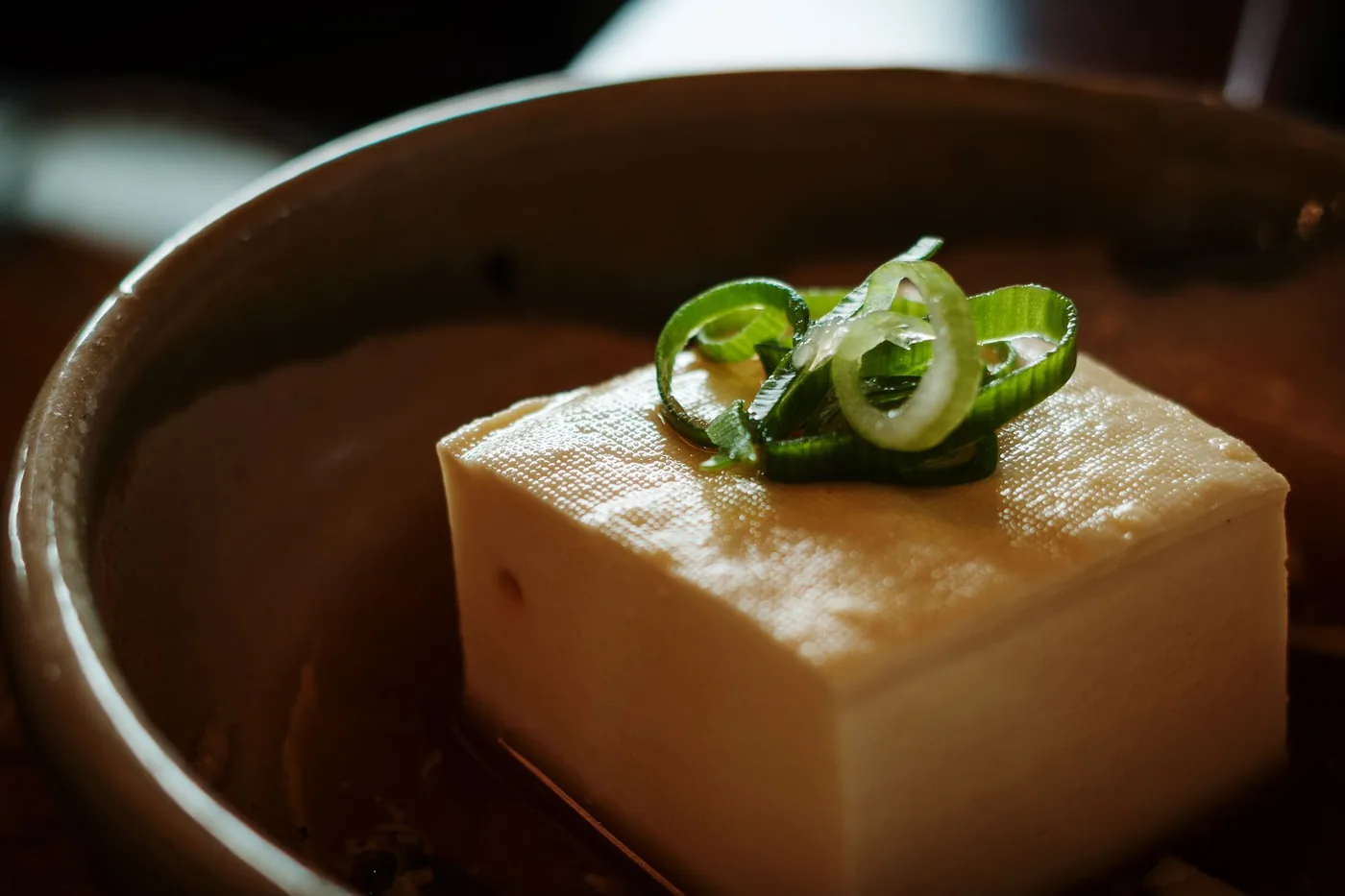
Okara — the soy pulp left over after pressing tofu — is roughly 3.5% fat, high in fiber, and almost always discarded. We wanted to know what it could become if treated as a real ingredient rather than a waste stream.
The method
We dried okara at low heat over eight hours, then milled it into a coarse flour. From there, we substituted it into six recipes at increasing ratios: 10%, 25%, and 50% of total flour weight.
What worked
At 10-15% substitution, okara flour performed well in denser bakes — banana bread, a rye-adjacent flatbread, and a savory cracker where the added fiber actually improved texture. The nuttiness read as a feature, not a flaw.
What didn't
Anything requiring real gluten development fell apart above 15% substitution. A basic sandwich loaf came out dense and crumbly at 25%, and a laminated pastry dough was unworkable at any ratio we tried — the fat and fiber content disrupted lamination too much to recover.
Where this goes next
We're not claiming okara flour replaces wheat flour. We're claiming it's underused in the specific place it excels: dense, rustic bakes where its fiber and nuttiness are assets. The next experiment tests it against rice flour in a gluten-free context, where the comparison might be more favorable.