
The Fujiwara Family, Four Generations of Tofu
In a narrow workshop outside Kyoto, the same three steps have been repeated every morning for eighty years. Nothing about it has gotten easier.
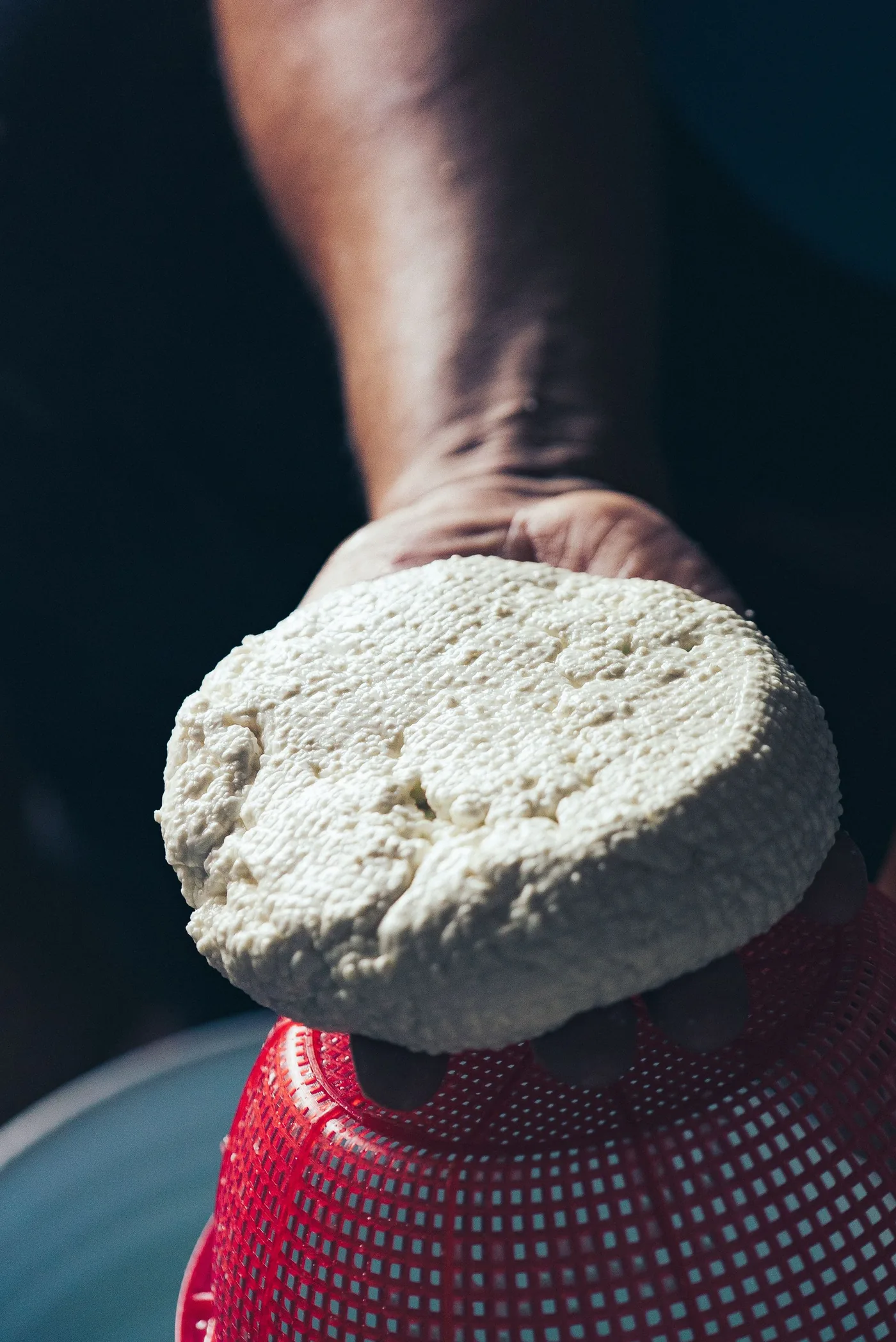
The workshop opens at four. Before the trains start running, before the light changes, Kenji Fujiwara is already soaking beans his grandfather selected the variety for, decades ago, based on nothing more scientific than how the curds felt between his fingers.
"People think tofu is simple because it looks simple," Kenji says, wiping down a cedar press that has outlived three of his relatives. "It is simple. That's the whole difficulty."
His daughter, Aoi, is training to take over — the first woman in the family to run the workshop, and by her own admission, still learning to read the soy milk the way her father does, by smell and by the sound it makes hitting the pot.
We spent a morning with them, watching a craft that resists documentation because so much of it lives in the hands.
A bean, understood slowly
The Fujiwara workshop uses a single soybean varietal, sourced from one farm in Shiga Prefecture. Kenji has tried others. He always comes back.
"It's not that the others are worse," he explains. "It's that I understand this one. Understanding takes longer than most people are willing to spend."
This is, in miniature, the whole philosophy this platform is built around: that transformation rewards patience over cleverness, and that humble ingredients reveal more the longer you sit with them.
What four generations teaches you
Aoi's approach is not identical to her father's — she's introduced small adjustments to timing, and one new coagulant ratio she developed through two years of quiet experimentation he still won't fully endorse. But the fundamentals haven't moved. Soak, grind, press. Listen.
"He tells me I'm rushing," she laughs. "I tell him I'm twenty-eight and he's sixty-one. We're both right."