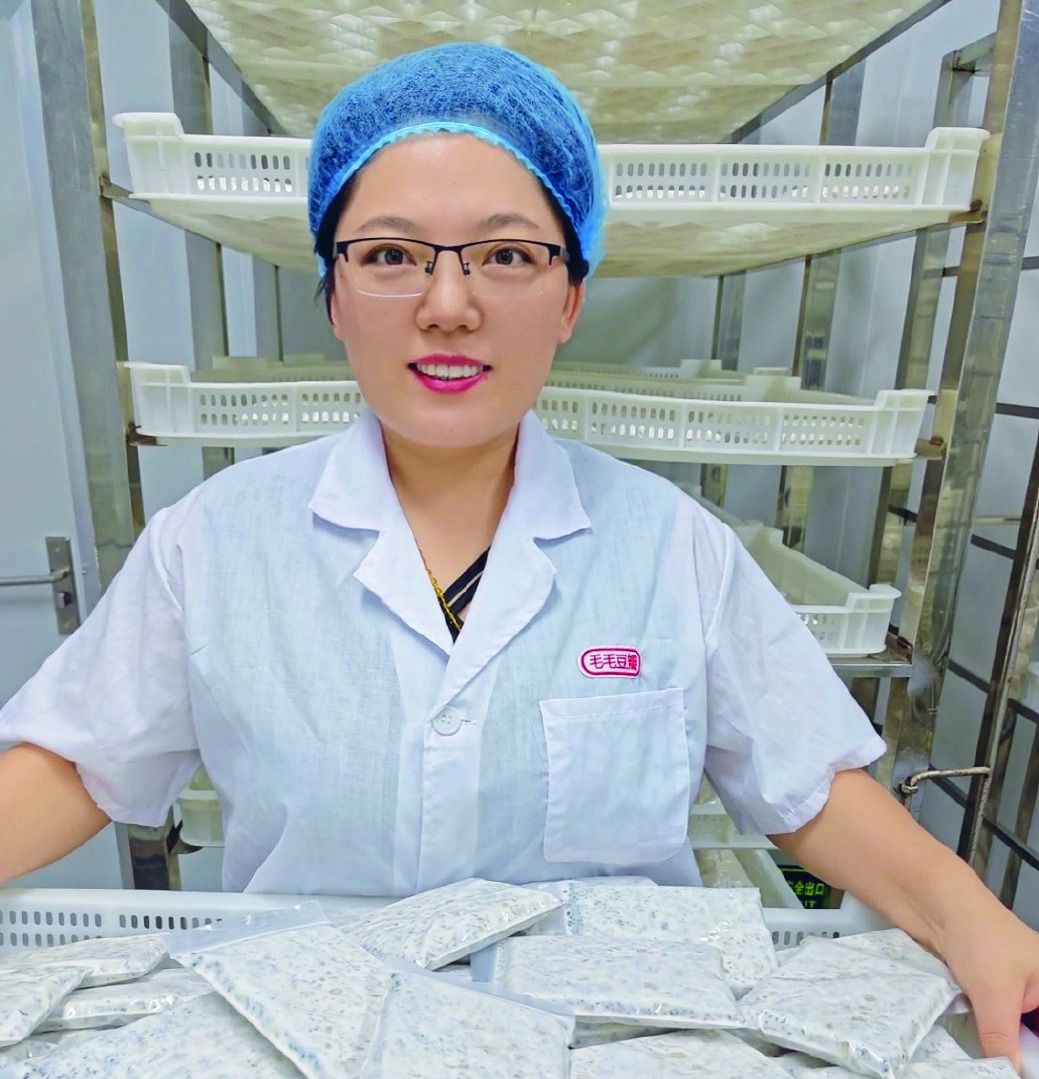
A Green Soybean, A Fresh Start
After a difficult first venture, Liu Bin started over with an unfamiliar green soybean, seeking to recreate the aroma of his childhood and adapt it to contemporary tastes.
- Maker
- Liu Bin
- Brand
- Xiaomopan (Little Millstone)
- Product
- green tofu, soy milk, dougan (pressed tofu), soy oil
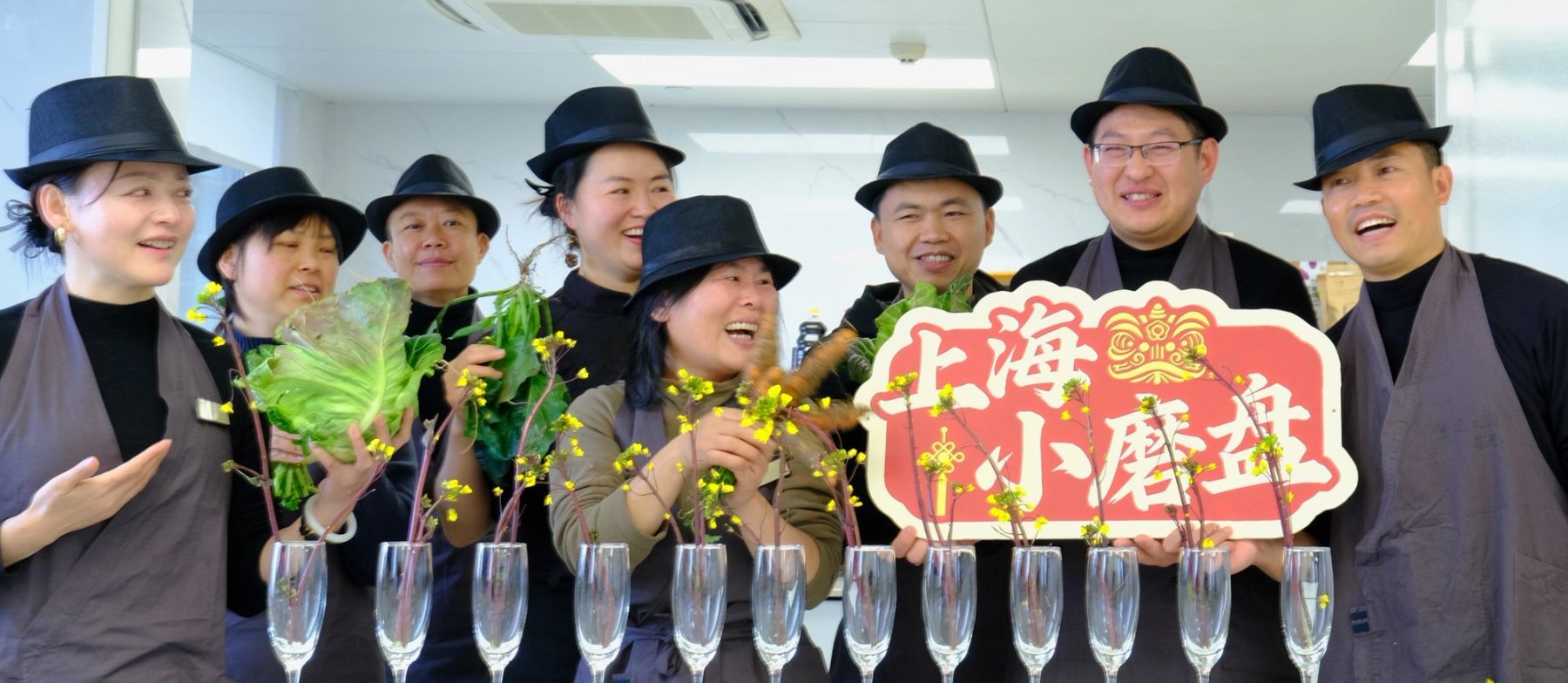
At a busy food exhibition, Liu Bin stands beside a pot, ladling pieces of green-tinted tofu into bowls for visitors to sample. The tofu gives off a distinctive aroma.
At lunchtime that day, Liu Bin reaches for the dougan—pressed tofu—that his team is still developing. He has spent the past few months eating it, using each meal to test the product. The dougan, too, is made from the same green soybeans.
Liu’s route to tofu was indirect. Trained in automotive engineering, he worked in product planning and marketing for an international car company before starting a business of his own. It grew, but overdue payments, borrowing, and bad debts gradually strained its cash flow.
"I feel those years as a descent after a life that had seemed to move steadily upward. I told myself I need to change."
Exhausted, he began meditating and asking what to do next. Soon afterward, an agricultural expert he knew introduced him to a kind of soybean he had never seen before.
Starting with the Bean
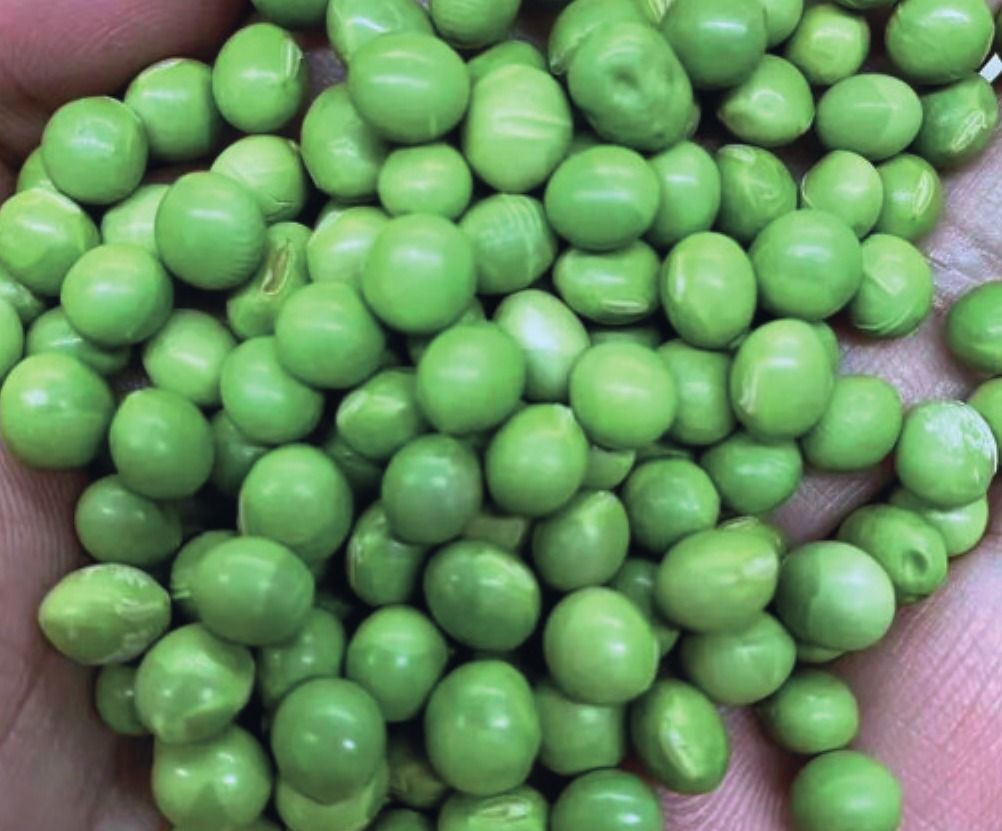
The green bean variety, called Qingte 12, has a beautiful green seed coat. Liu grew up around crops but had never seen soybeans of this color. His product-planning instincts turned the color into a question: What could he make from it, and would the difference matter to those buying food?
Qingte 12 offers more than an unusual color. Comparative figures provided by the research team show that Qingte 12 contains higher levels of several pigments and related compounds, including anthocyanins, flavonoids, carotenoids, and chlorophyll, than the yellow soybean sample. It also has a lower purine content, another potential differentiator. Together, these traits gave him more than a striking raw ingredient. They suggested a set of qualities he could build products around.
The green soybeans also brought back a taste. Liu remembered village workshops grinding soaked soybeans, adding coagulant to the milk, and pressing the curds. The rooms smelled of soy.
Later, he found much of the tofu he ate in the city bland, particularly after he became vegan.
Could a different bean bring that flavor back?
Liu says he committed 12 million yuan (approximately €1.5 million) to securing exclusive rights to the variety before production had reached scale. He arranged dedicated cultivation according to organic farming standards through farms in northeastern China, a region often called the country’s “granary.” The investment put a large share of his resources into a crop whose commercial future was still unproven.
He named the brand Xiaomopan, or “Little Millstone,” after the stone mills of his childhood. The work ahead would depend on learning what this particular bean could do.
Seven Months at the Tofu Table
Liu’s first move was not to design packaging. It was to learn how to make tofu.
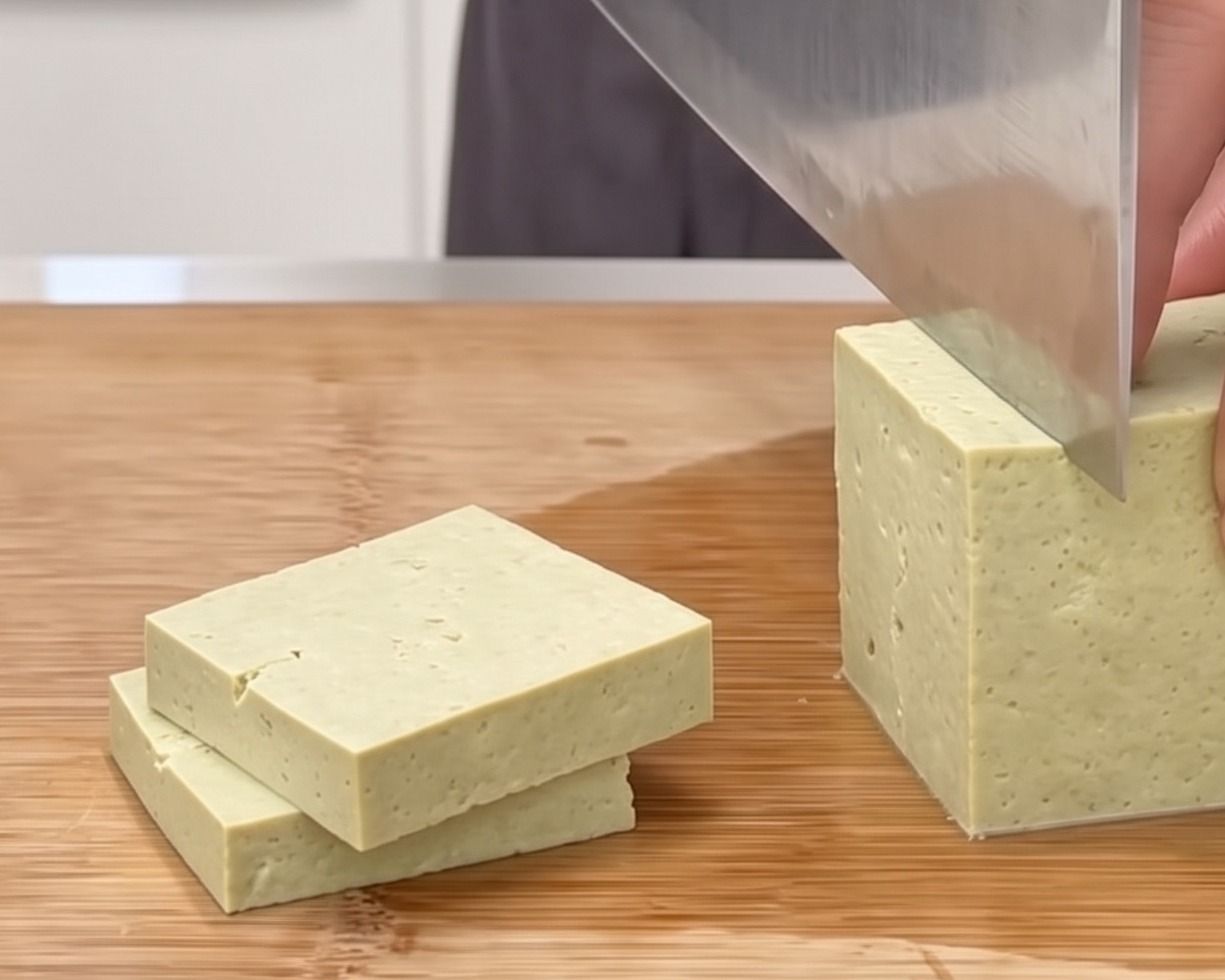
For more than seven months, he worked alongside experienced tofu craftsmen. They tried firm tofu and soy milk, tested equipment, and studied how the beans absorbed water, yielded milk, and formed curds. The first product to take shape was a firm tofu with a natural green tint. Liu describes its flavor as distinctly nutty and wholesome, with none of the raw-beany off-notes he wanted to avoid.
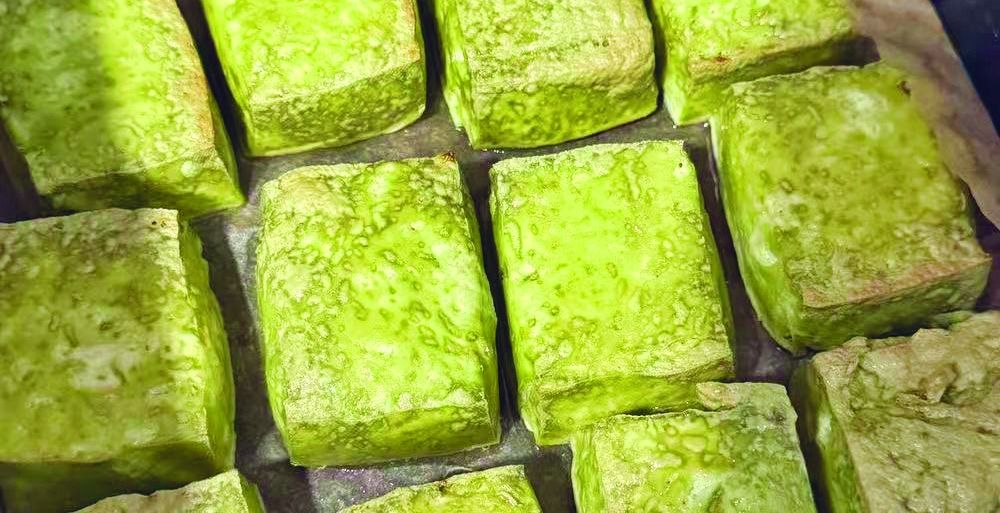
Soy milk followed. Soybean oil came later, for a practical reason: inventory. Each harvest had to be paid for, and beans sitting in storage tied up cash while risking a decline in quality. Pressing some into oil offered another way to use the crop as sales of the other products developed.
The bean gave the business a starting point. It also created obligations that continued whether or not customers were buying.
From a Good Product to a Good Business
The team found loyal customers through its online shop. Some bought repeatedly for eight or nine months, and in a few cases as long as a year. Then orders became less frequent.
Liu saw two problems. Customers could grow tired of buying the same tofu, however much they liked it. And buying required effort: they had to remember the brand, open a separate shop, and place an order. Liking a product did not remove that friction.
That pushed Liu toward dougan. Ready-to-eat, portable, and requiring no cooking, it could reach people looking for a snack or a quick addition to lunch. The idea changes the comparison. Instead of competing only with other tofu, dougan might be weighed against jerky, eggs, or a protein bar.
The team is still adjusting its texture, seasoning, and format. Liu wants a simple ingredient list, but the product also has to meet practical demands around taste, shelf life, transport, and cost. Those are development questions, not settled achievements.
Liu’s automotive training gave him a way to think about materials and processes. Product planning taught him to ask who a product is for and what problem it solves. His first business made the pressures of cash flow and distribution harder to ignore. Tofu brought those experiences together with a taste he remembered from childhood.
Our venture is still far from proven. The team needs more people, wider distribution, and further work on production. The dougan is being revised. But everything is moving in the right direction.
For now, Liu keeps eating it for lunch. The question is whether the flavor he remembers can find a place in the way people eat today.
This story first appeared in TOFUWARD Issue 01.